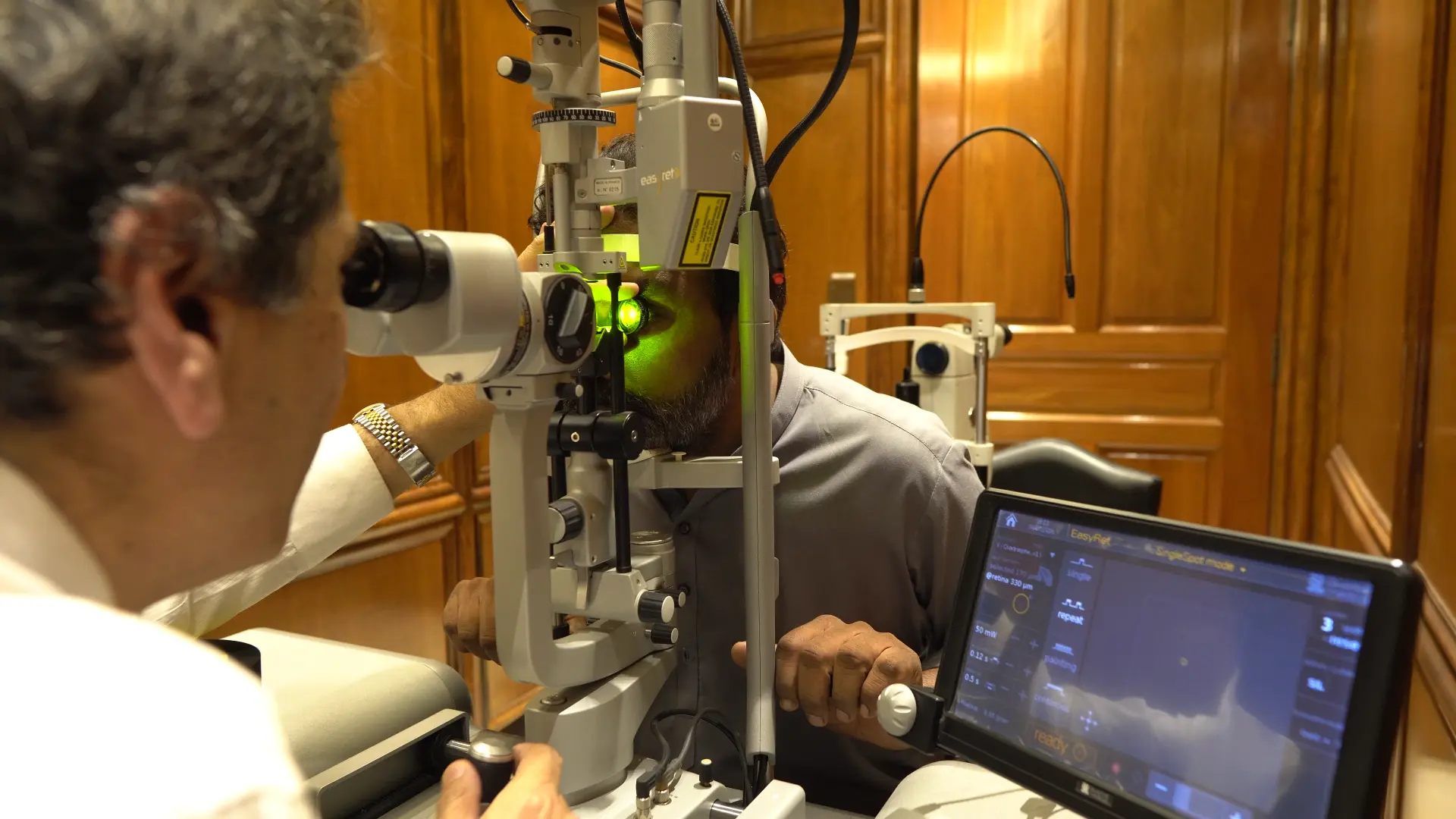
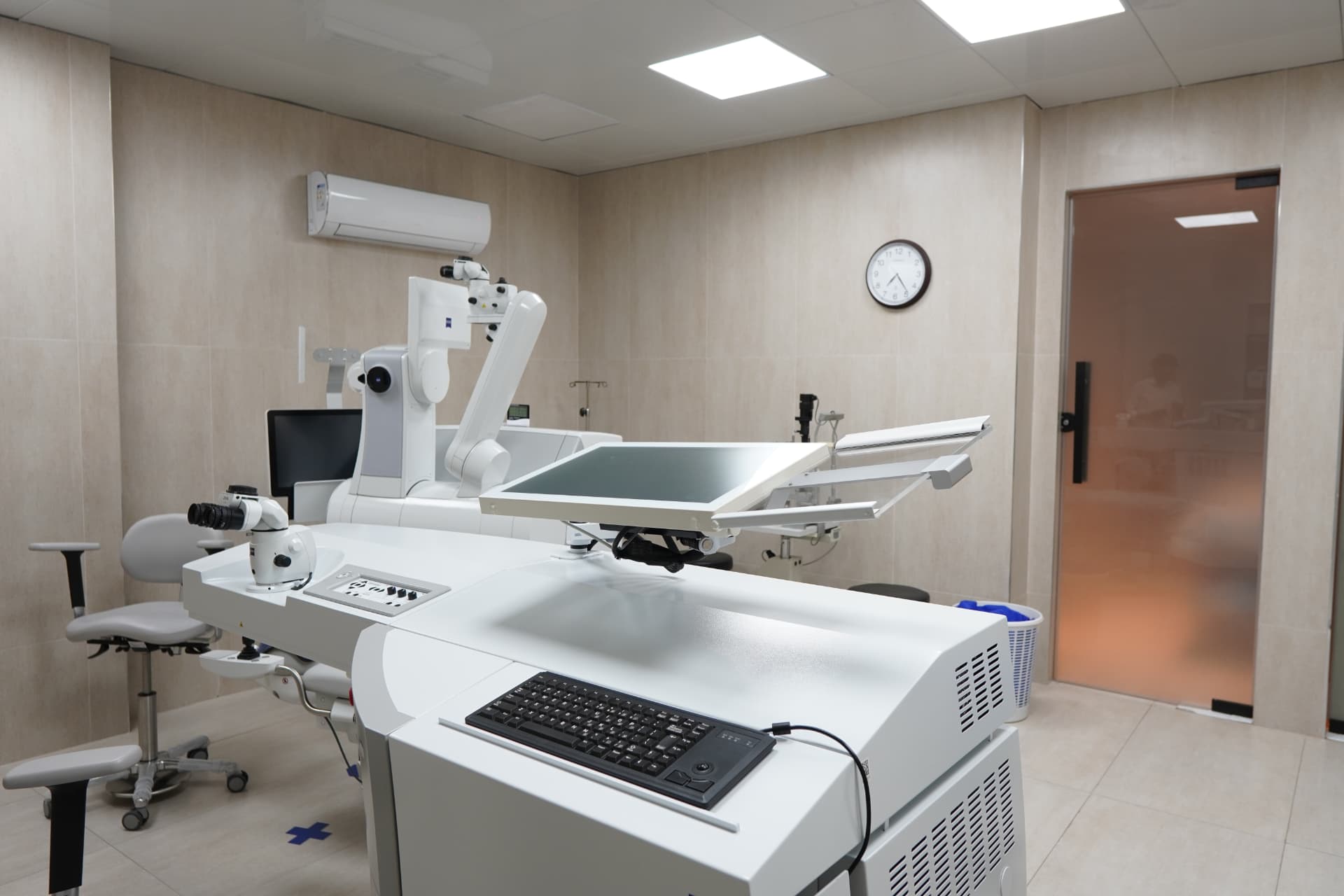
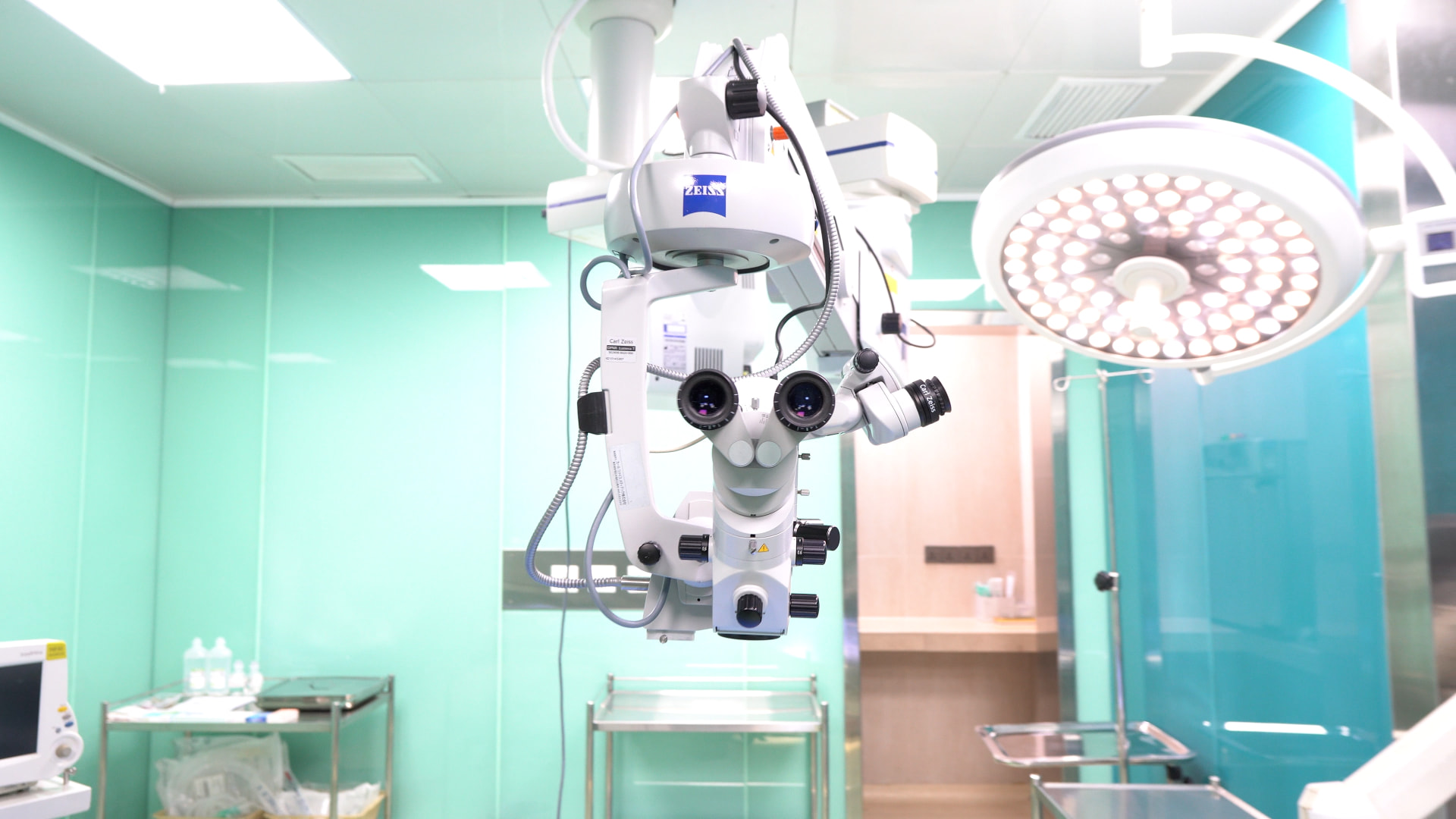
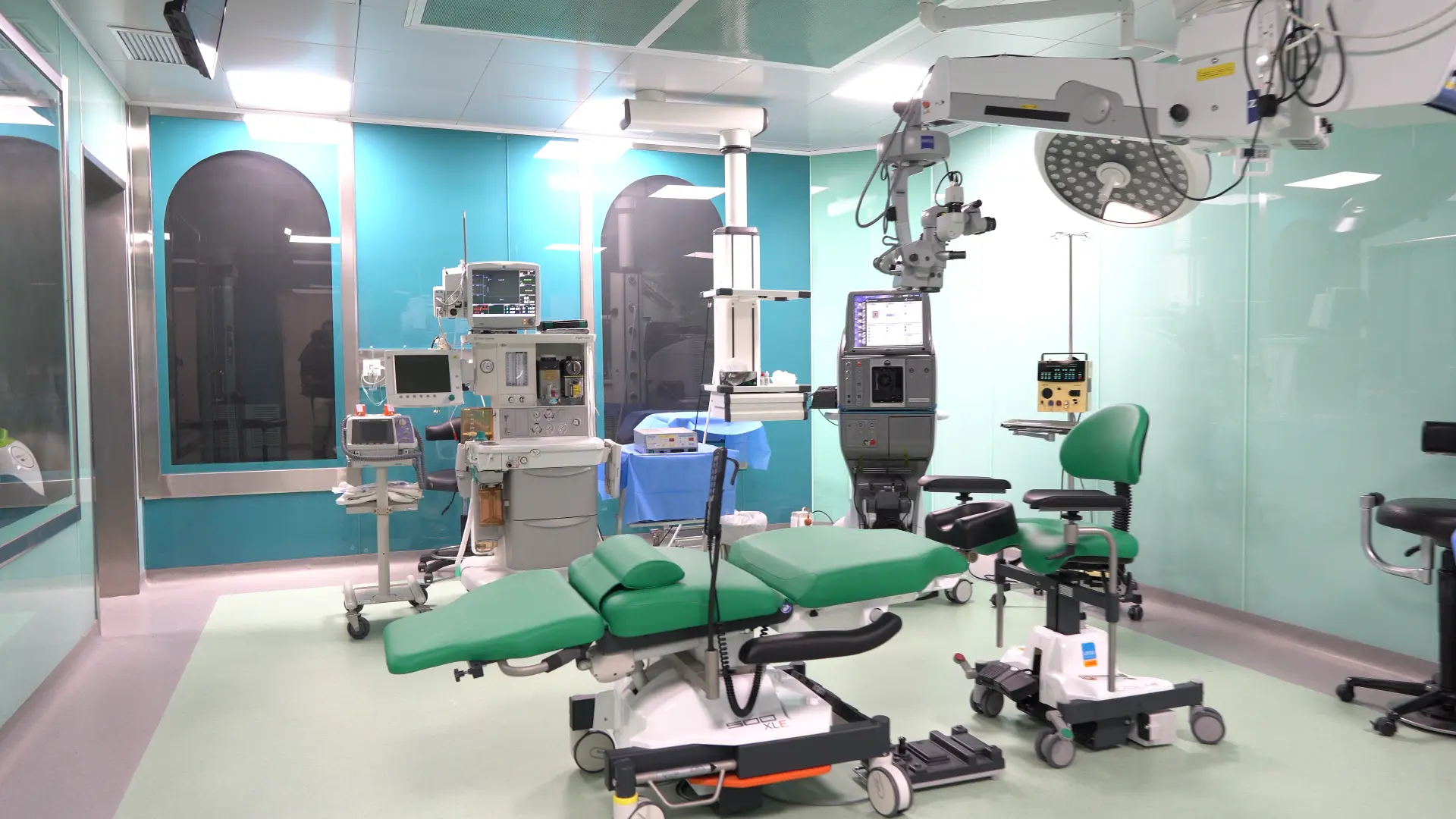
Eye Treatments in Lahore, Pakistan

International Eye Hospital offers the full spectrum of modern eye care in Gulberg — from flapless SMILE Pro laser vision correction and PRESBYOND to premium cataract lenses, retinal surgery, glaucoma management and corneal treatments. Every procedure is performed by our consultant team on internationally certified equipment.

  • 13 Procedures
  • Consultant-led care
  • Executive Operation Theatres
  • ZEISS platforms

SMILE Pro — Flapless Laser Correction

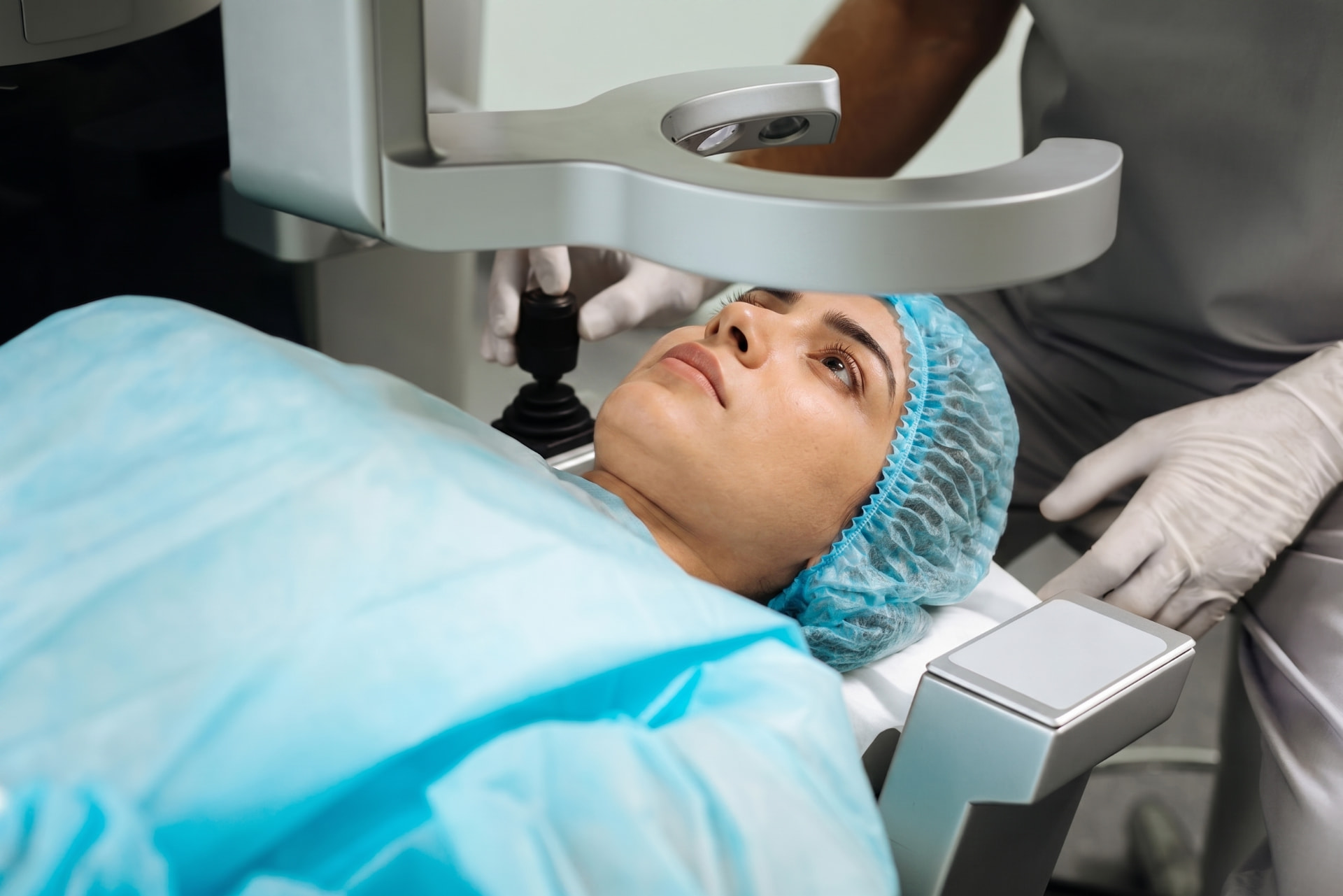
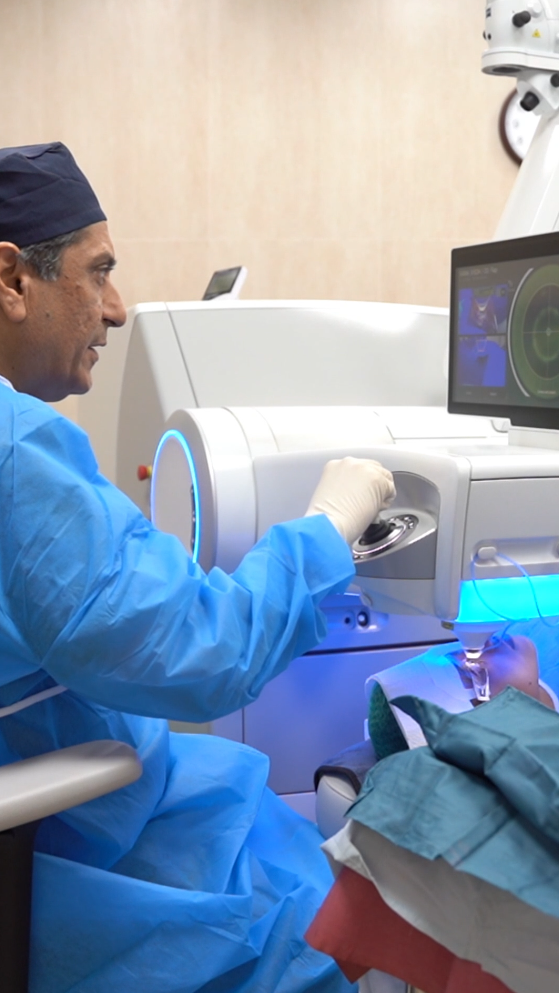
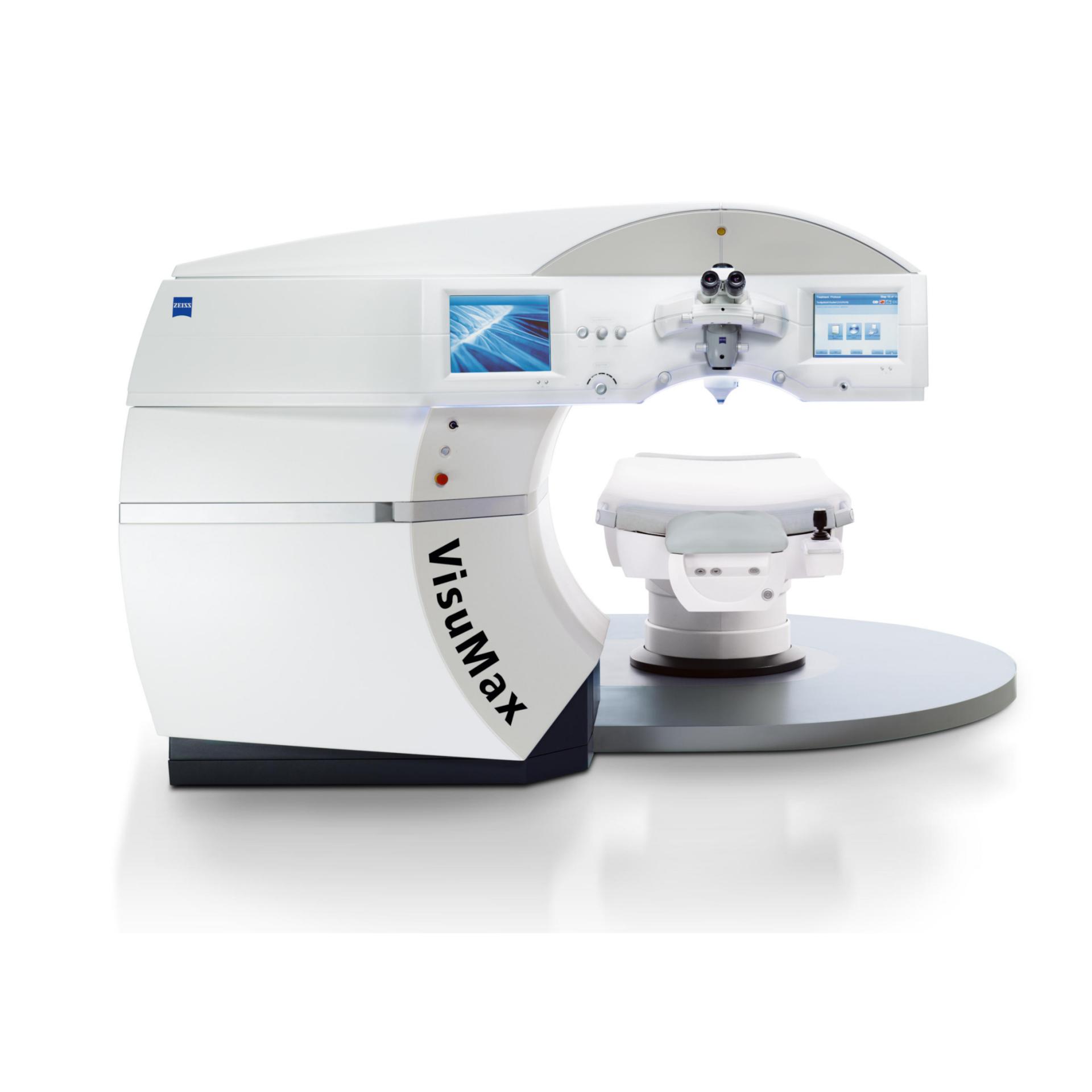
Keyhole laser vision correction on the ZEISS VISUMAX 800. A thin lenticule is shaped inside the cornea and removed through a 2–4 mm opening, with no flap.

  • No corneal flap created
  • Under 10 seconds of laser
  • Lower long-term dry eye risk
  • Stronger cornea for sport

What we use it for

  • Myopia with astigmatism
  • Adults 18+, stable prescription
  • Adequate corneal thickness
Laser Duration
Under 10 seconds
Incision Size
2–4 mm keyhole

PRESBYOND Blended Vision

For adults over 40 who now hold the menu at arm's length. A controlled increase in depth of focus blends near, intermediate and distance vision into one range.

  • Reading, screen and distance vision
  • Better tolerated than monovision
  • Keeps your natural lens
  • Walk-in, walk-out procedure

What we use it for

  • Adults 40+ needing reading glasses
  • Long or short-sighted patients
  • No significant cataract
Laser Duration
About 15 minutes
Incision Size
—

Cataract Surgery in Lahore

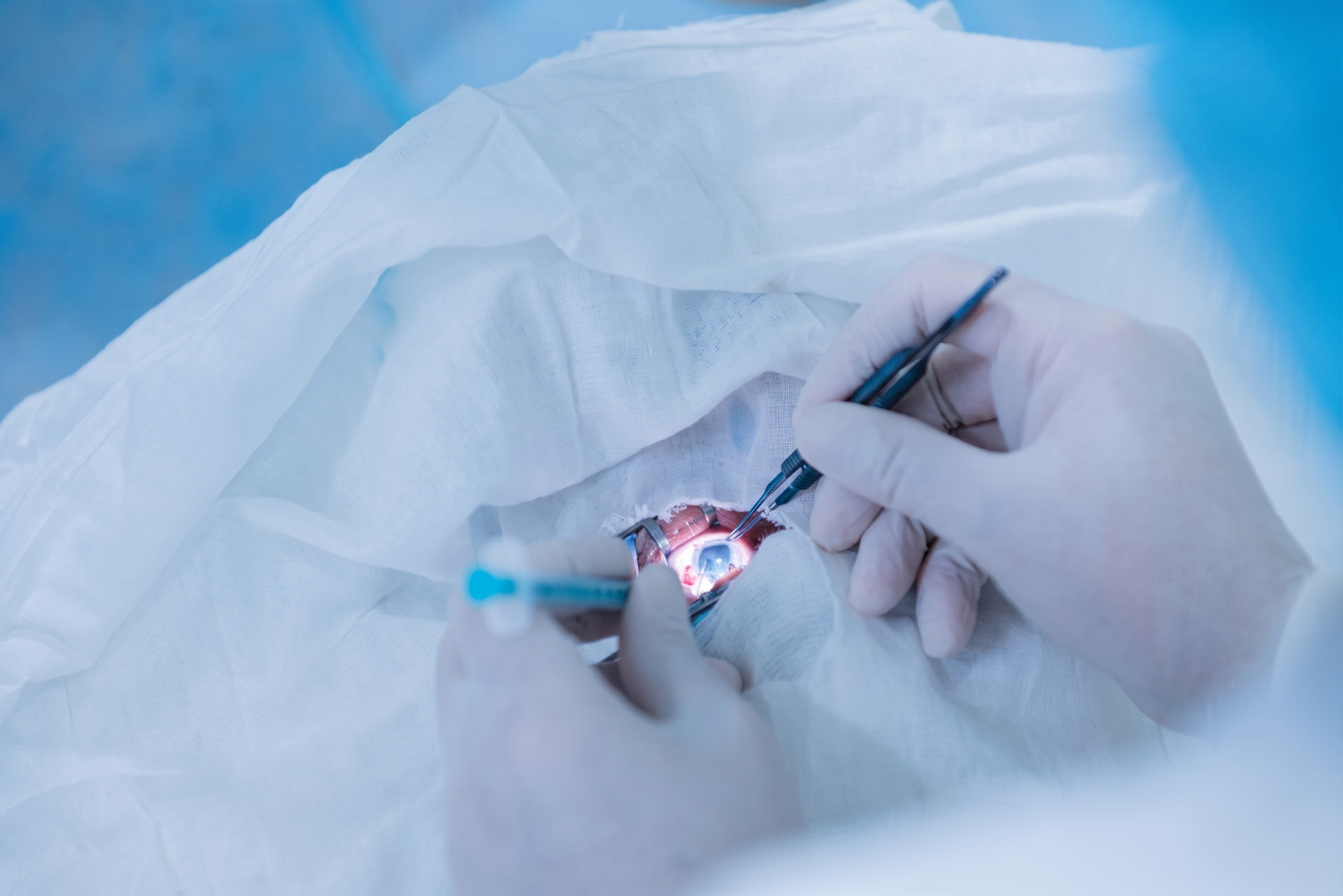
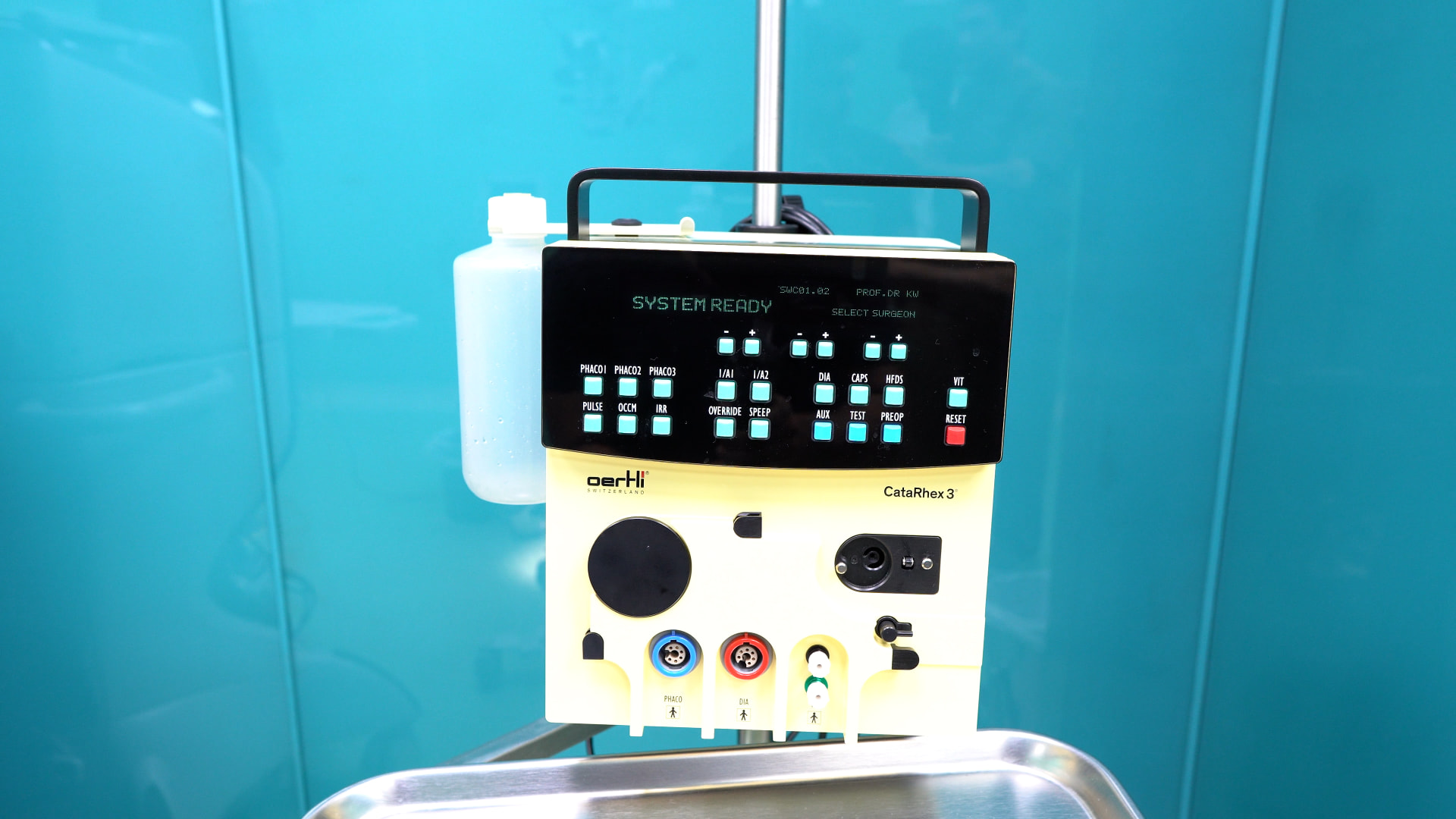
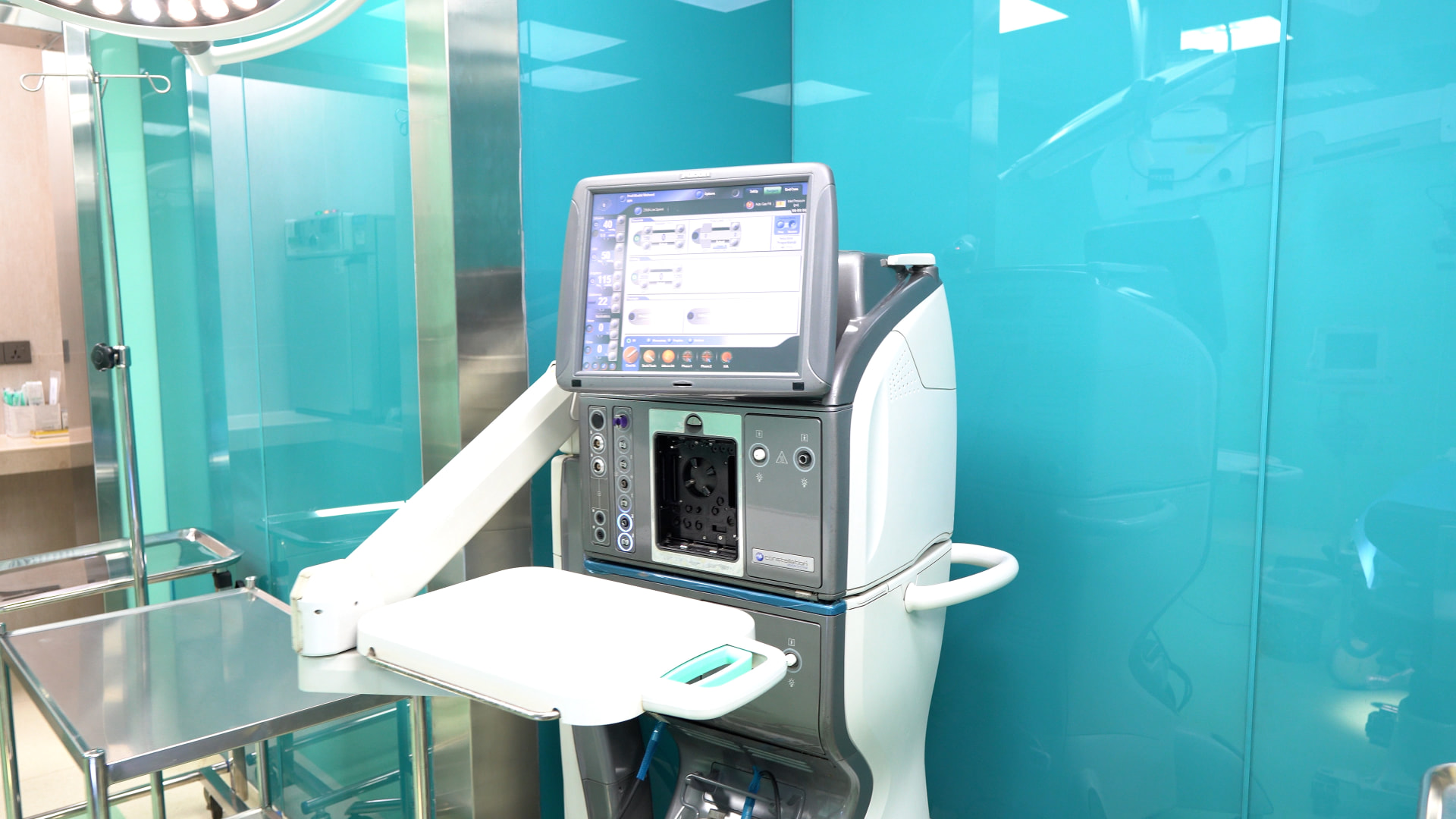
A cataract clouds the eye's natural lens. Phacoemulsification removes it through a 2.2 mm incision and replaces it with a precisely calculated intraocular lens.

  • Stitch-free micro-incision surgery
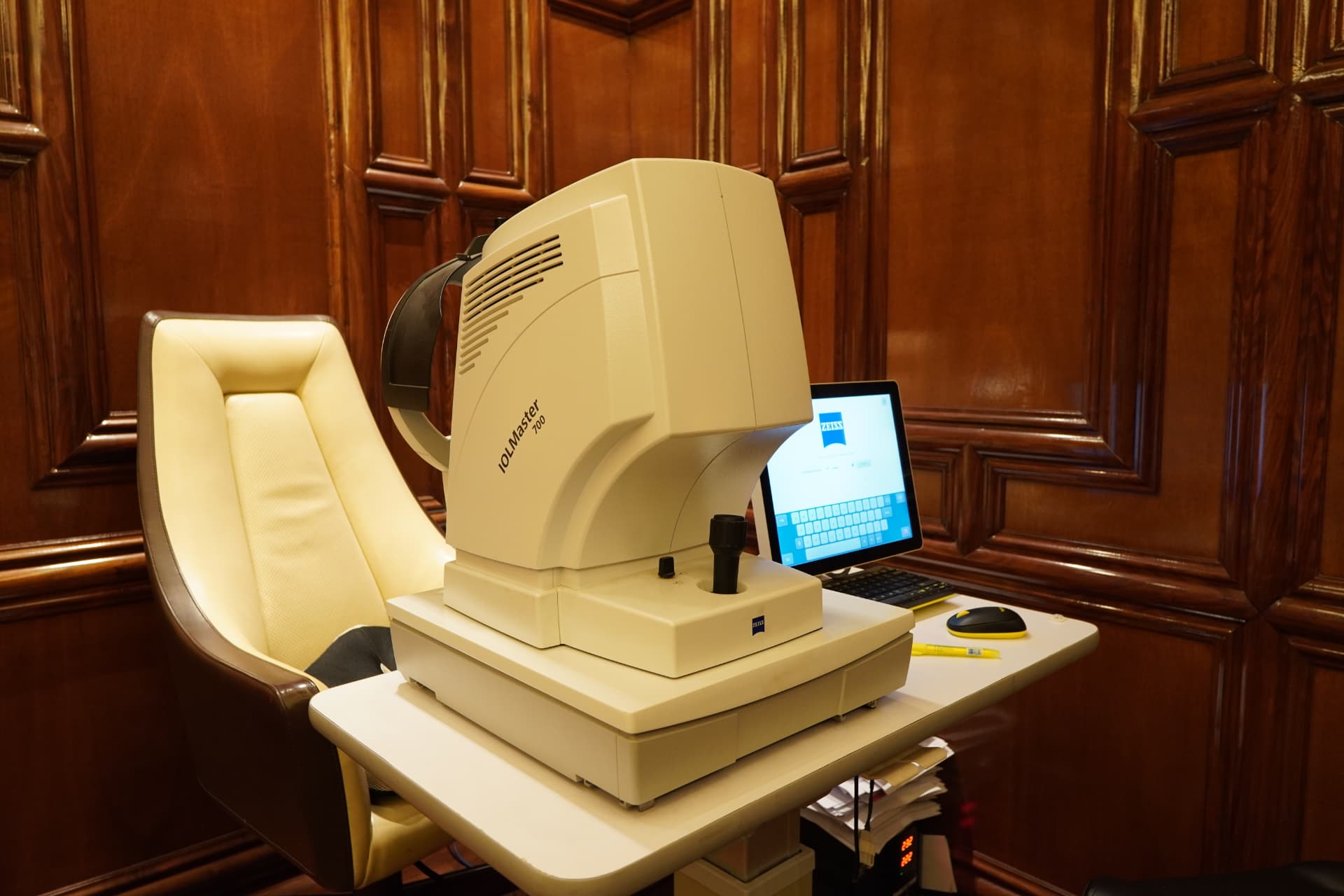
  • Lens power set by biometry
  • Monofocal to trifocal implants
  • Local anaesthesia only

What we use it for

  • Blurred, hazy or yellowed vision
  • Glare and halos at night
  • Cataract limiting daily tasks
Laser Duration
10–15 minutes per eye
Incision Size
About 2.2 mm

Femto LASIK — Bladeless Correction

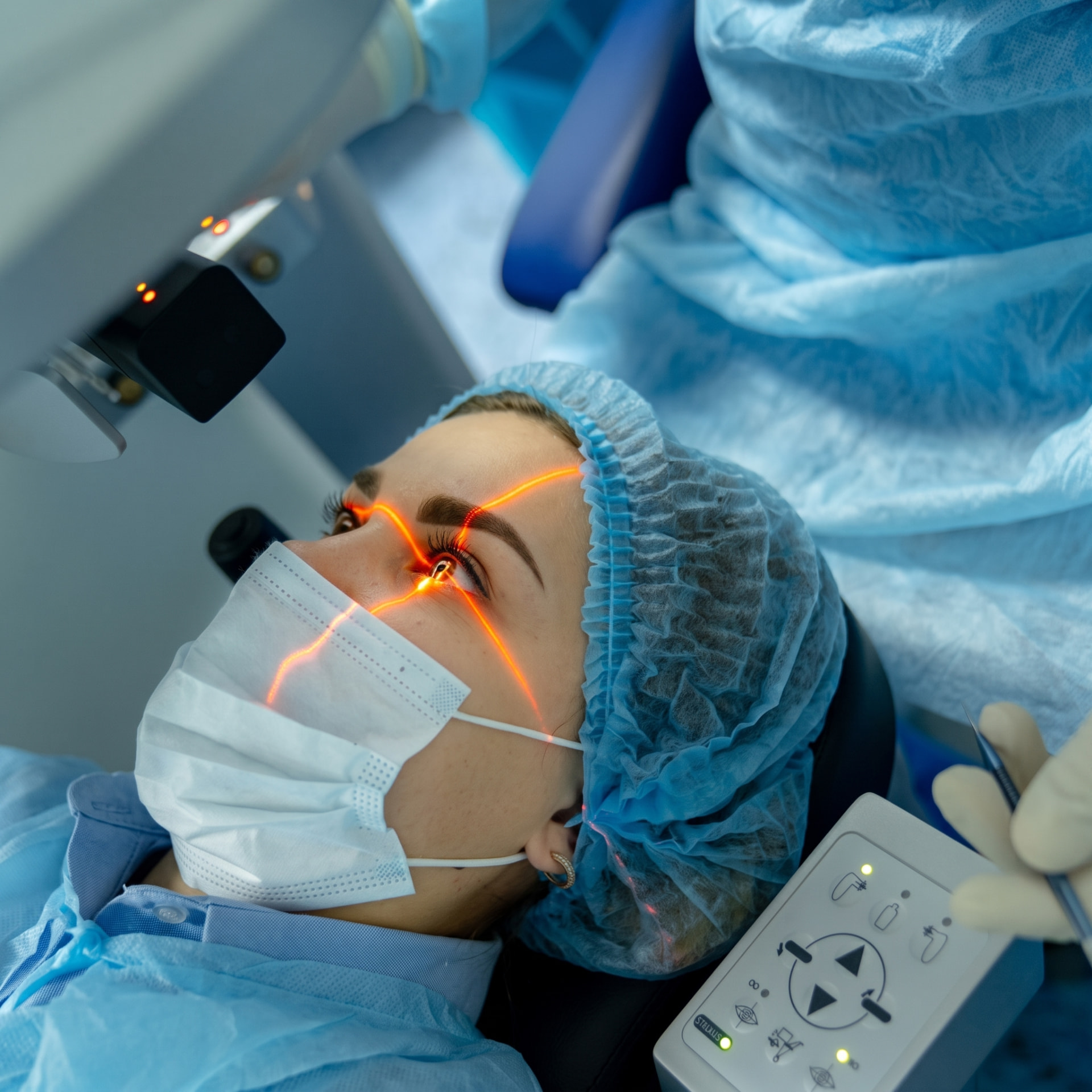
A femtosecond laser replaces the mechanical blade to create the corneal flap. An excimer laser reshapes the tissue beneath and the flap is repositioned without stitches.

  • Bladeless, uniform flap creation
  • Functional vision within hours
  • Corrects myopia and hyperopia
  • Wavefront-guided profiles

What we use it for

  • Adults 18+, stable prescription
  • Myopia, hyperopia, astigmatism
  • Healthy corneal thickness
Laser Duration
About 10 minutes
Incision Size
—

PRK Surface Laser

Photorefractive keratectomy reshapes the cornea from the surface, with no flap and no incision. It suits thinner corneas and high-impact professions.

  • No flap and no incision
  • Preserves maximum corneal tissue
  • Suited to thinner corneas
  • Three-decade safety record

What we use it for

  • Thin or irregular corneas
  • Low to moderate prescriptions
  • Contact sport or forces
Laser Duration
—
Incision Size
—

ICL Implantable Lens

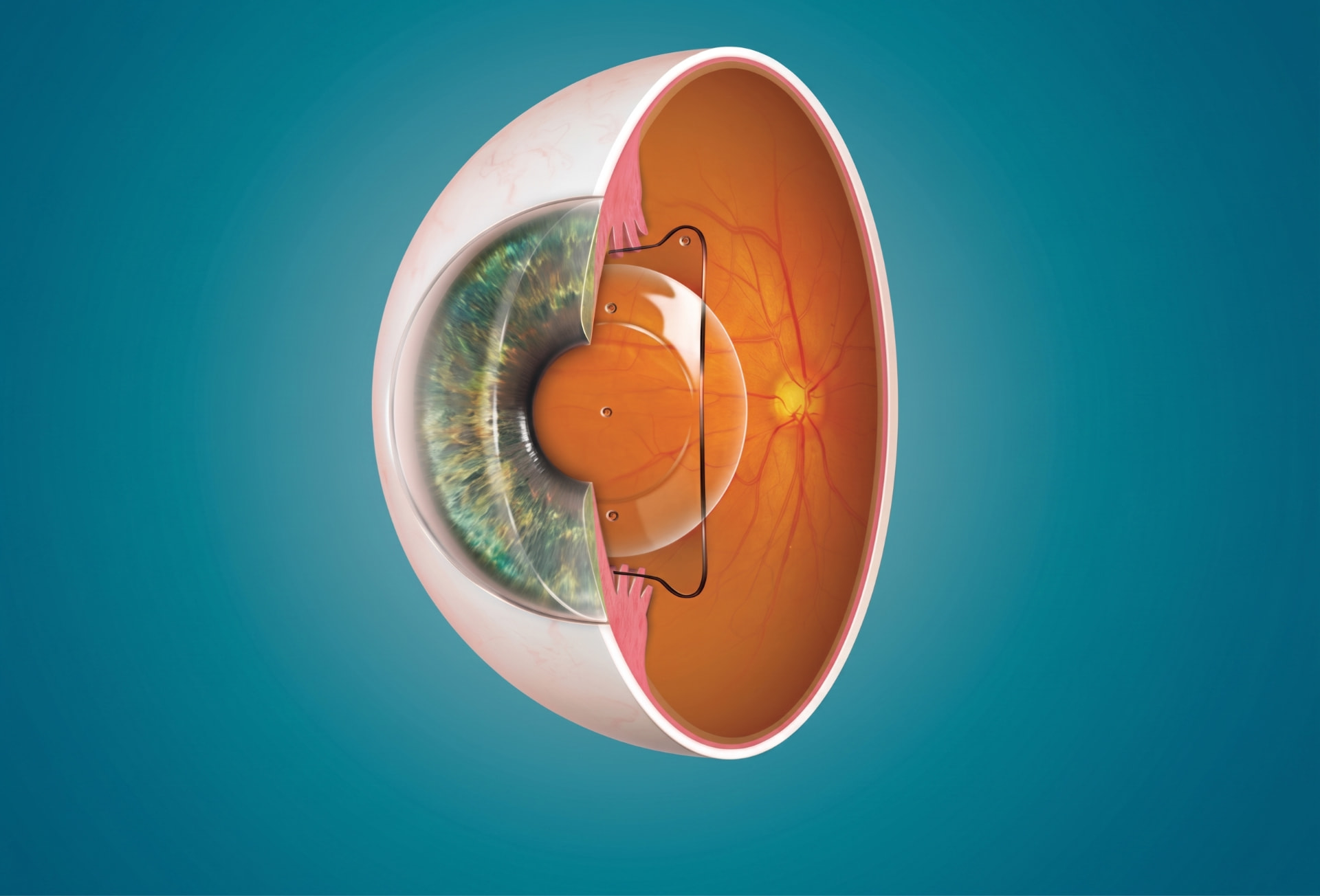
A soft, biocompatible lens placed in front of your natural lens, leaving the cornea untouched. It suits very high myopia and can be removed later.

  • Corrects very high prescriptions
  • No corneal tissue removed
  • Removable and exchangeable
  • Excellent night vision quality

What we use it for

  • Very high myopia
  • Thin or irregular corneas
  • Adults 21–45, stable prescription
Laser Duration
15–20 minutes per eye
Incision Size
About 3 mm

Refractive Lens Exchange

The same technique as cataract surgery, used to replace a clear lens that no longer focuses well. A premium implant corrects your prescription for the long term.

  • Corrects very strong prescriptions
  • No cataract surgery later
  • Trifocal options available
  • Stable, non-regressing result

What we use it for

  • Adults 45+ with presbyopia
  • High hyperopia, not laser
  • Wanting one long-term solution
Laser Duration
15 minutes per eye
Incision Size
—

Trifocal & Multifocal Lenses

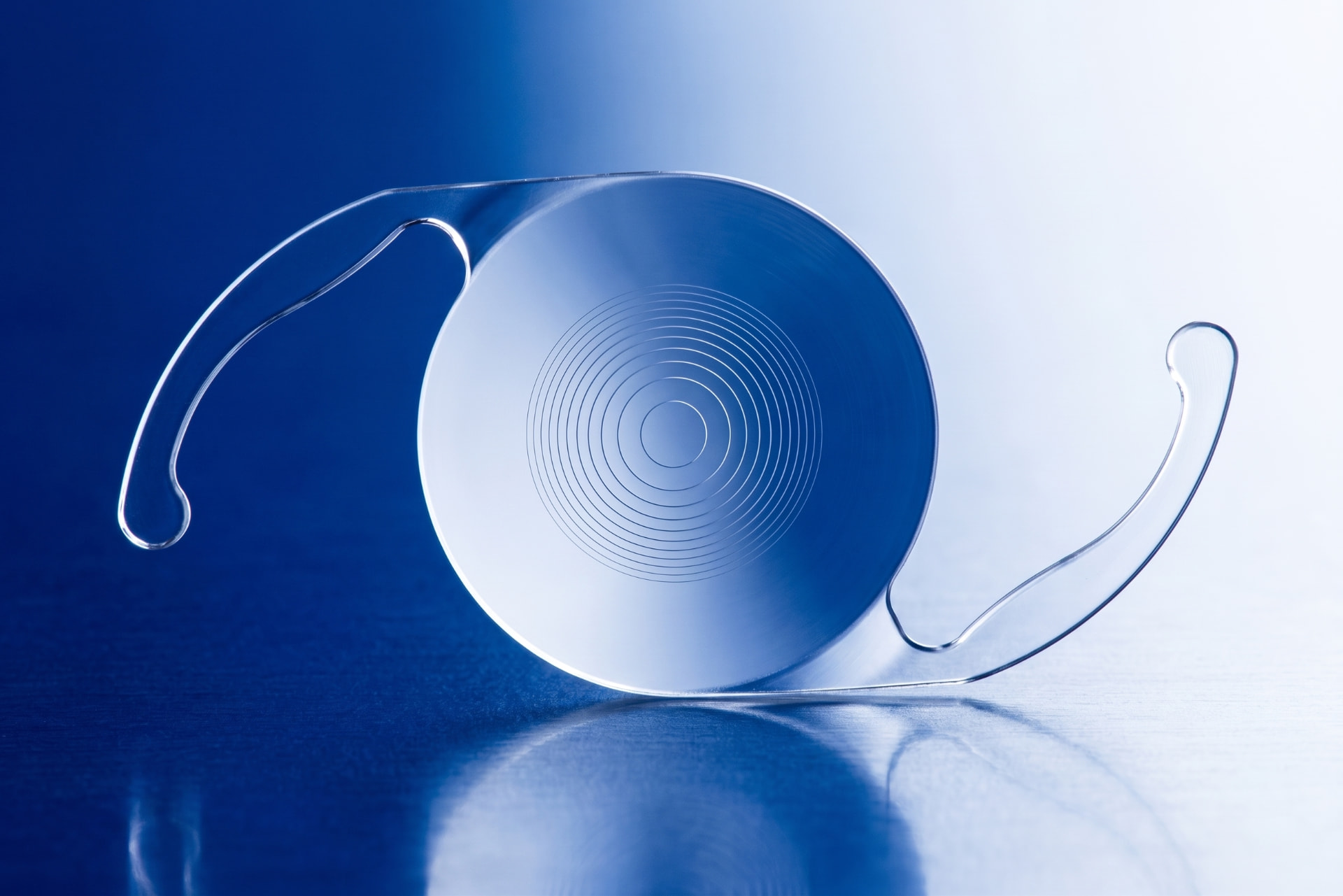
These implants split light into distinct focal points, so one lens serves distance, intermediate and reading vision. Fitted during cataract surgery or lens exchange.

  • Three focal distances, one implant
  • Toric versions correct astigmatism
  • Less need for reading glasses
  • Implant never clouds again

What we use it for

  • Cataract patients avoiding glasses
  • Lens exchange candidates over 45
  • Healthy retina, realistic expectations
Laser Duration
—
Incision Size
—

Vitreo-Retinal Surgery

Repairs retinal detachment, macular holes and vitreous haemorrhage through sub-millimetre vitrectomy ports.

  • Sub-millimetre vitrectomy ports
  • Repairs retinal detachment
  • Clears vitreous haemorrhage
  • Wide-field surgical visualisation

What we use it for

  • Retinal detachment or tears
  • Macular hole or pucker
  • Advanced diabetic retinopathy
Laser Duration
45–90 min
Incision Size
—

Squint Correction

A misalignment of the eyes that affects vision and confidence. Treatment ranges from glasses, prisms and patching to surgery that adjusts eye-muscle tension.

  • Restores straight eye alignment
  • Supports binocular vision
  • Reduces adult double vision
  • Marked cosmetic improvement

What we use it for

  • Children with turning eyes
  • Adults with long-term squint
  • Double vision from palsy
Laser Duration
40–60 minutes
Incision Size
—

Glaucoma Care & Surgery

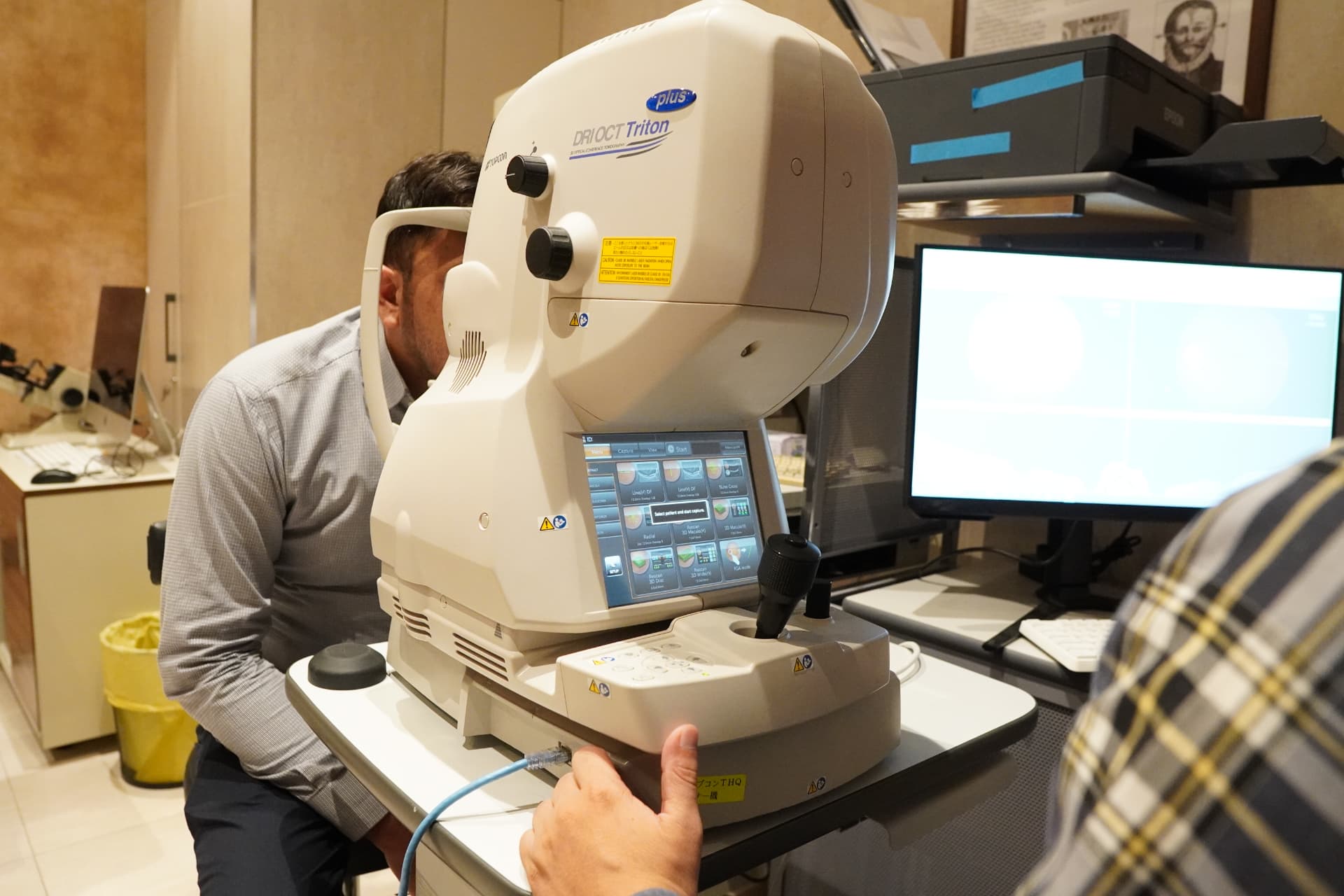
Glaucoma damages the optic nerve silently and lost vision cannot return. Tonometry, OCT nerve analysis and visual fields detect change early so pressure can be controlled.

  • OCT nerve fibre analysis
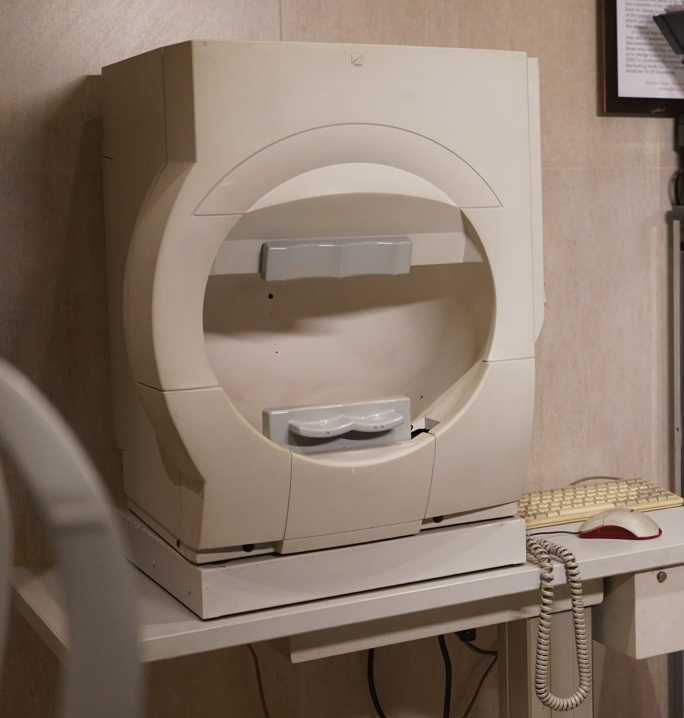
  • Visual field progression tracking
  • SLT and YAG laser options
  • Surgery when drops fall short

What we use it for

  • Raised intraocular pressure
  • Family history of glaucoma
  • Adults over 40 screening
Laser Duration
—
Incision Size
—

Diabetic Eye Care & Screening

Retinal damage from diabetes begins long before vision blurs. Dilated examination, OCT macular scanning and fundus imaging catch retinopathy at a treatable stage.

  • Yearly screening finds damage
  • OCT measures macular oedema
  • Intravitreal injection therapy
  • Retinal laser or vitrectomy

What we use it for

  • Anyone living with diabetes
  • Blurred, fluctuating vision
  • Pregnancy with diabetes
Laser Duration
About 60 minutes
Incision Size
—

Corneal Cross-Linking (CXL)

Keratoconus thins and bulges the cornea. Riboflavin drops activated by controlled UV light create new collagen bonds that stiffen the cornea and halt progression.

  • Halts keratoconus progression
  • Strengthens cornea with UV-A
  • May avoid corneal transplant
  • Accelerated and epi-on protocols

What we use it for

  • Young progressive keratoconus
  • Post-laser corneal ectasia
  • Worsening astigmatism on Pentacam
Laser Duration
Accelerated protocol
Incision Size
—

Which Treatment Is Right for You?

This table maps the concerns patients arrive with to the procedure our consultants would normally recommend at Gulberg. It is a starting point, not a diagnosis — a full examination, including corneal mapping and retinal imaging where relevant, confirms which treatment is actually right for your eyes.

Serving Lahore and Punjab

Our hospital is in Block C2 Gulberg III, within a short drive of DHA, Model Town, Johar Town, Cantt and Bahria Town. Because diagnostics, theatre and follow-up all sit under one roof, patients travelling in from Faisalabad, Sialkot, Gujranwala, Multan and Islamabad can usually complete an assessment and, where suitable, treatment in a single visit rather than several journeys.

International Patients

A large share of our laser and lens patients are overseas Pakistanis and international visitors travelling from the UK, UAE, Saudi Arabia and Oman. Our coordinators schedule screening and surgery around your flight dates, share reports with your doctor at home, and advise on hotels close to Gulberg. The team consults in English, Urdu and Punjabi, so every test and consent is explained in the language you are most comfortable with.

Still not sure which treatment is right for you?

Tell us what you are experiencing and our counsellors will book you with the right consultant — no obligation to proceed.