Compare Vision Correction Procedures in Lahore
Six ways to correct your vision, side by side. Which one suits you depends on your prescription, your corneal thickness and your age — this page explains the differences so your consultation starts from an informed position.
Start here
Which Procedure Might Fit You?
Four questions, answered on this page only — nothing is sent anywhere.
Question 1 of 4
How old are you?
Side by side
The Comparison Table
The same eleven questions asked of every procedure we offer, answered plainly.
| Feature | Most requested at IEHSMILE Pro | Femto LASIK | PRK | ICL | PRESBYOND | RLE |
|---|---|---|---|---|---|---|
| Best suited to | Myopia with or without astigmatism | Myopia, hyperopia, astigmatism | Thinner corneas, surface irregularity | High prescriptions, thin corneas | Reading vision after 40 | Age 45+ or ageing natural lens |
| Flap created | No | Yes | No | No | Yes | No |
| Incision size | 2–4 mm keyhole | 20 mm flap edge | No incision — surface only | About 3 mm | 20 mm flap edge | 2.2–2.8 mm |
| Laser time per eye | Under 10 seconds | About 20–30 seconds | About 20–40 seconds | Not applicable | About 30 seconds | Not applicable |
| Return to routine | Next day for most | Next day for most | 3–5 days | 1–2 days | 1–2 days, adaptation continues | 2–3 days per eye |
| Dry eye risk | Low | Moderate, usually temporary | Low to moderate | Very low | Moderate, usually temporary | Very low |
| Contact sports | Yes | No | Yes | Yes | No | Yes |
| Reversible | No | No | No | Yes | No | No |
| Age range | 18–40 typically | 18–45 typically | 18 upwards | 21–45 typically | 40 upwards | 45 upwards |
| Also treats presbyopia | No | No | No | No | Yes | Yes |
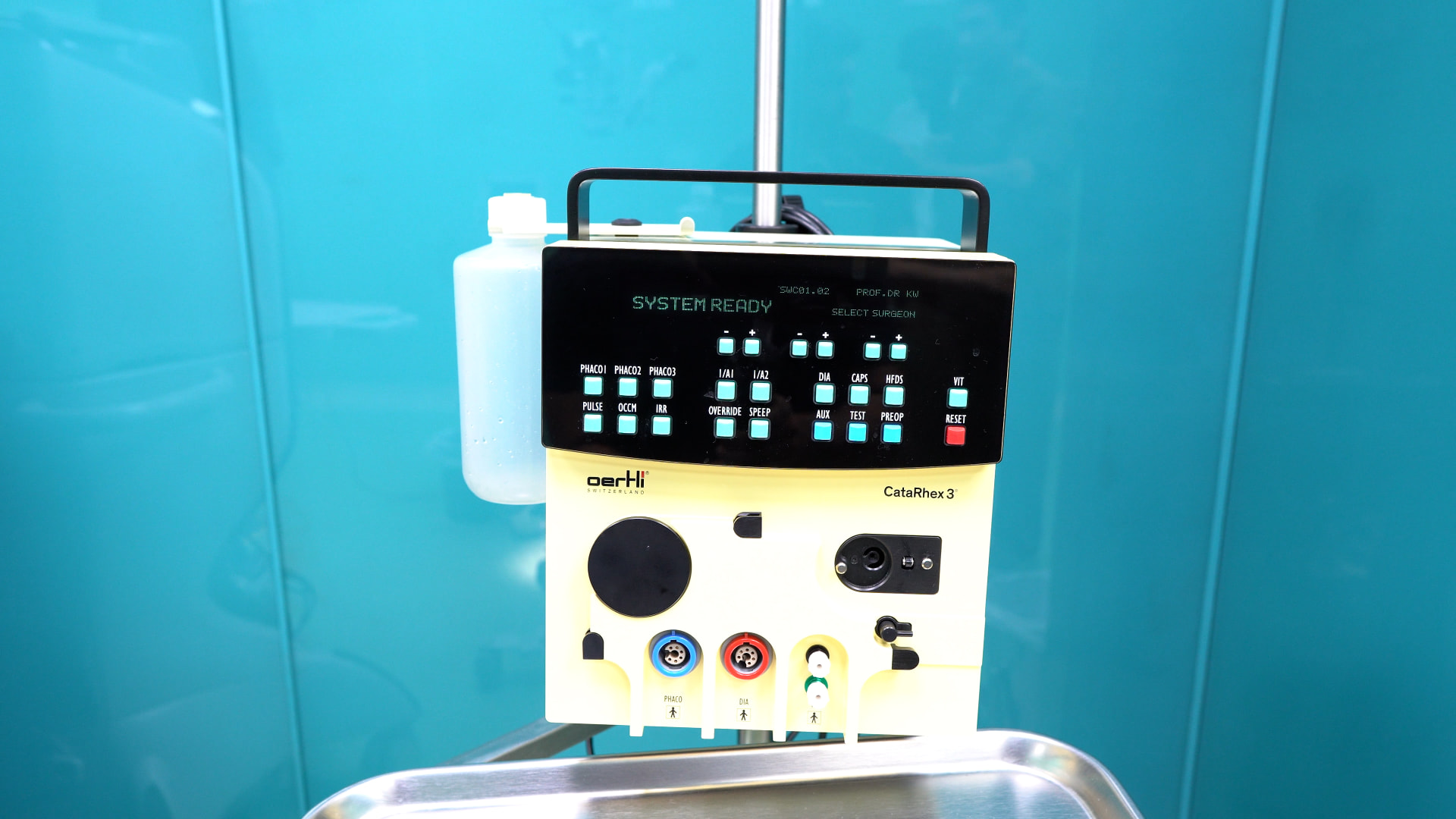
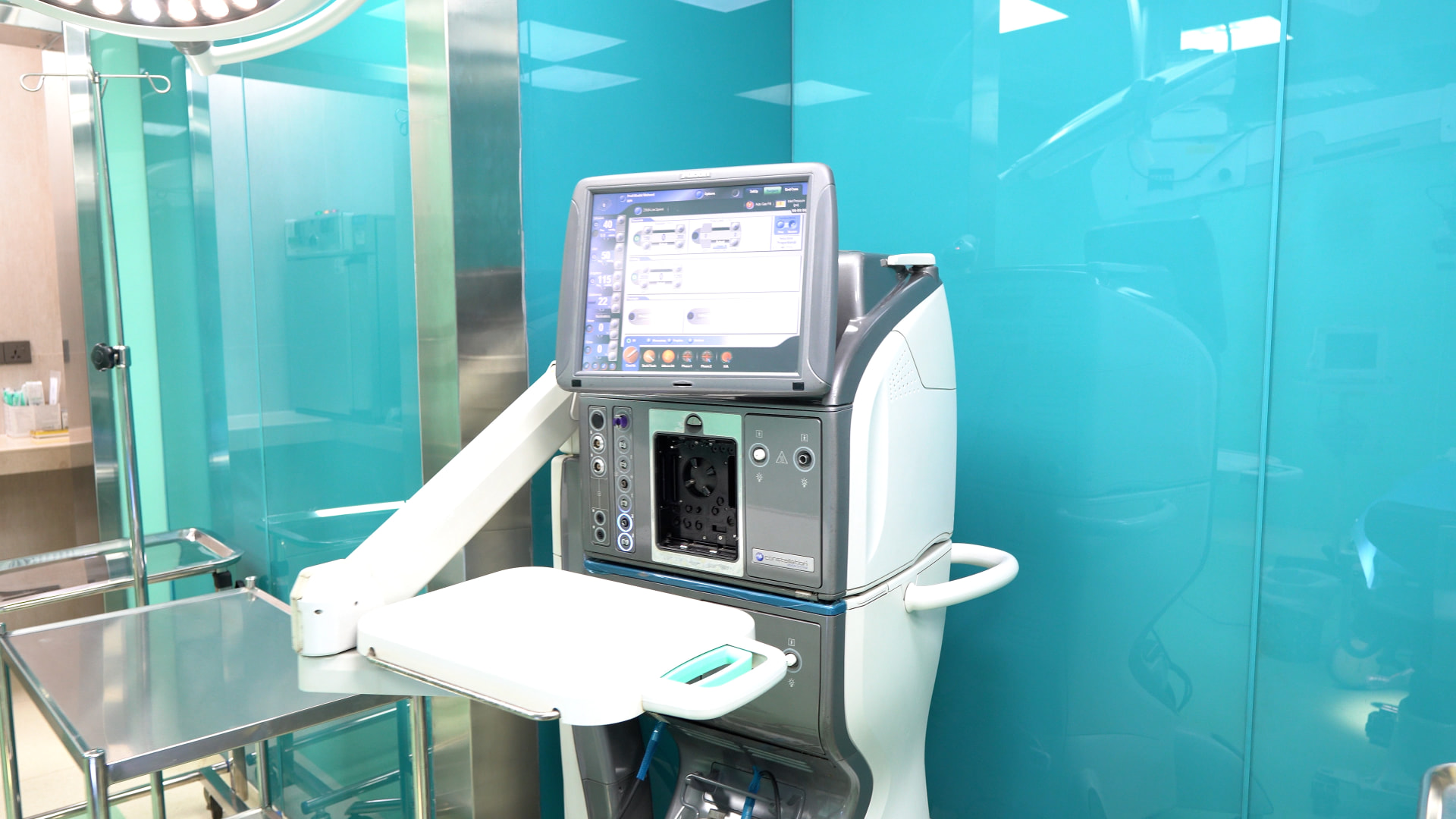
| Technology used at IEH | ZEISS VISUMAX 800 | ZEISS VISUMAX + MEL 90 | ZEISS MEL 90 excimer | ZEISS OPMI Lumera T | ZEISS MEL 90 with Blended Vision | ZEISS Lumera T with phaco platform |
Pick two to compare
SMILE Pro
- Best suited to
- Myopia with or without astigmatism
- Flap created
- No
- Incision size
- 2–4 mm keyhole
- Laser time per eye
- Under 10 seconds
- Return to routine
- Next day for most
- Dry eye risk
- Low
- Contact sports
- Yes
- Reversible
- No
- Age range
- 18–40 typically
- Also treats presbyopia
- No
- Technology used at IEH
- ZEISS VISUMAX 800
Femto LASIK
- Best suited to
- Myopia, hyperopia, astigmatism
- Flap created
- Yes
- Incision size
- 20 mm flap edge
- Laser time per eye
- About 20–30 seconds
- Return to routine
- Next day for most
- Dry eye risk
- Moderate, usually temporary
- Contact sports
- No
- Reversible
- No
- Age range
- 18–45 typically
- Also treats presbyopia
- No
- Technology used at IEH
- ZEISS VISUMAX + MEL 90
In detail
Each Procedure, Explained
SMILE Pro
Flapless keyhole laser correction performed on the ZEISS VISUMAX 800 — the procedure most requested at IEH.
- Laser under 10 seconds per eye
- 2–4 mm keyhole, no flap
- Myopia and astigmatism
Femto LASIK
Bladeless flap-based laser correction with a very fast visual recovery, suitable for myopia, hyperopia and astigmatism.
- Bladeless femtosecond flap
- Vision settles within hours
- Widest prescription range
PRK
Surface laser correction with no flap and no incision — the fallback when the cornea is thinner or the surface is irregular.
- No flap, no incision
- Surface heals over days
- Option for thinner corneas
ICL
An implantable collamer lens placed inside the eye, leaving the cornea untouched — for high prescriptions and thin corneas.
- Cornea is not reshaped
- Very high prescriptions
- Lens can be removed
PRESBYOND
ZEISS Laser Blended Vision for patients over 40 who want to reduce dependence on reading glasses.
- Designed for age 40+
- Treats reading vision
- Corneal laser procedure
RLE
Refractive Lens Exchange replaces the natural lens with a premium intraocular lens, removing future cataract surgery from the picture.
- Natural lens replaced
- Typically 45–50 upwards
- Cataract cannot develop later
Honest limits
What the Consultation Actually Decides
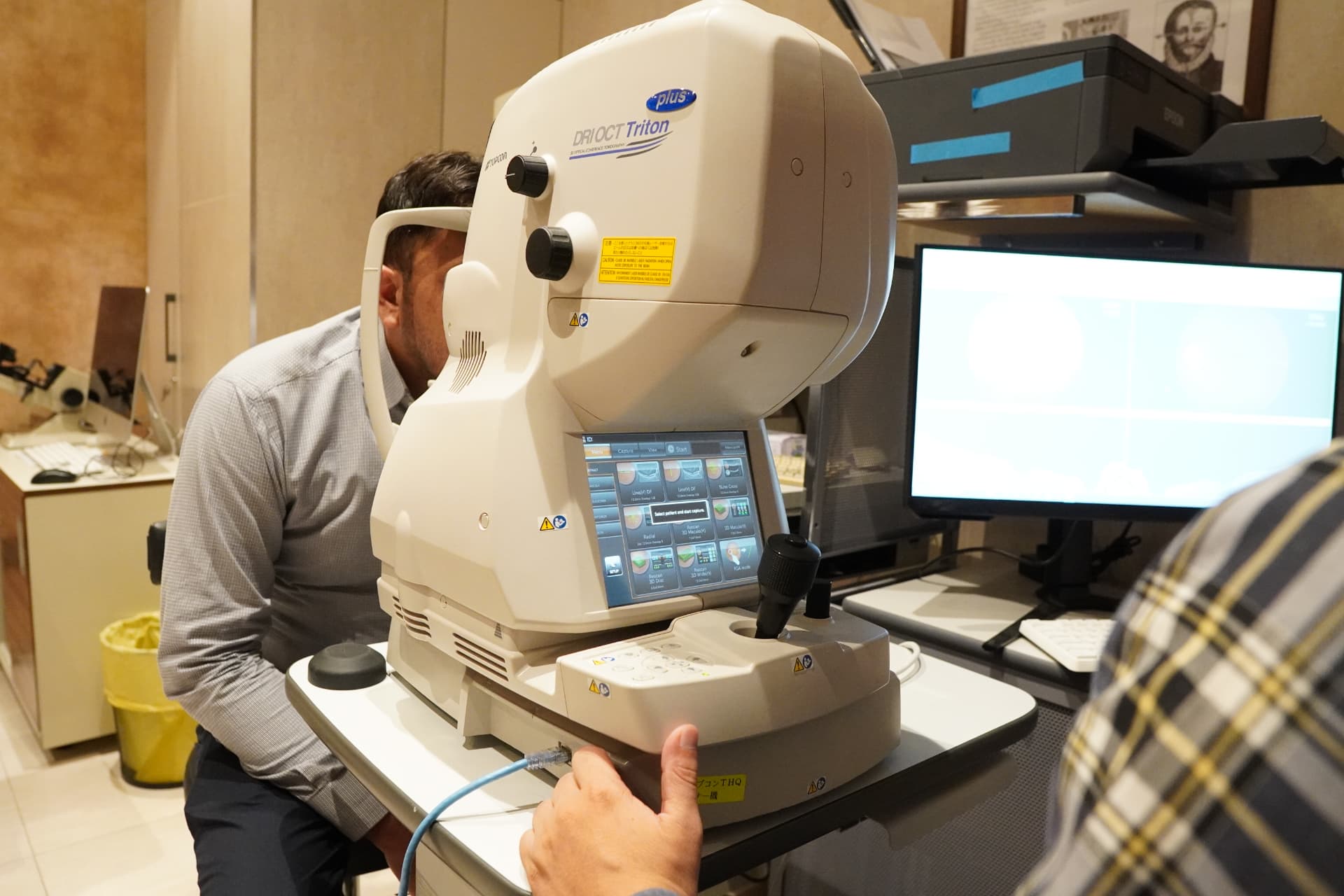
A questionnaire can narrow the field. It cannot measure your eyes. Four measurements decide eligibility, and all four are taken at the hospital in a single appointment — they are the reason a patient who arrives set on one procedure sometimes leaves booked for another.
No online tool, including the finder above, can substitute for them.
Corneal thickness
Measured in microns across the whole cornea. It sets the upper limit on how much tissue can safely be reshaped, and it is the single most common reason a laser plan changes.
Corneal topography
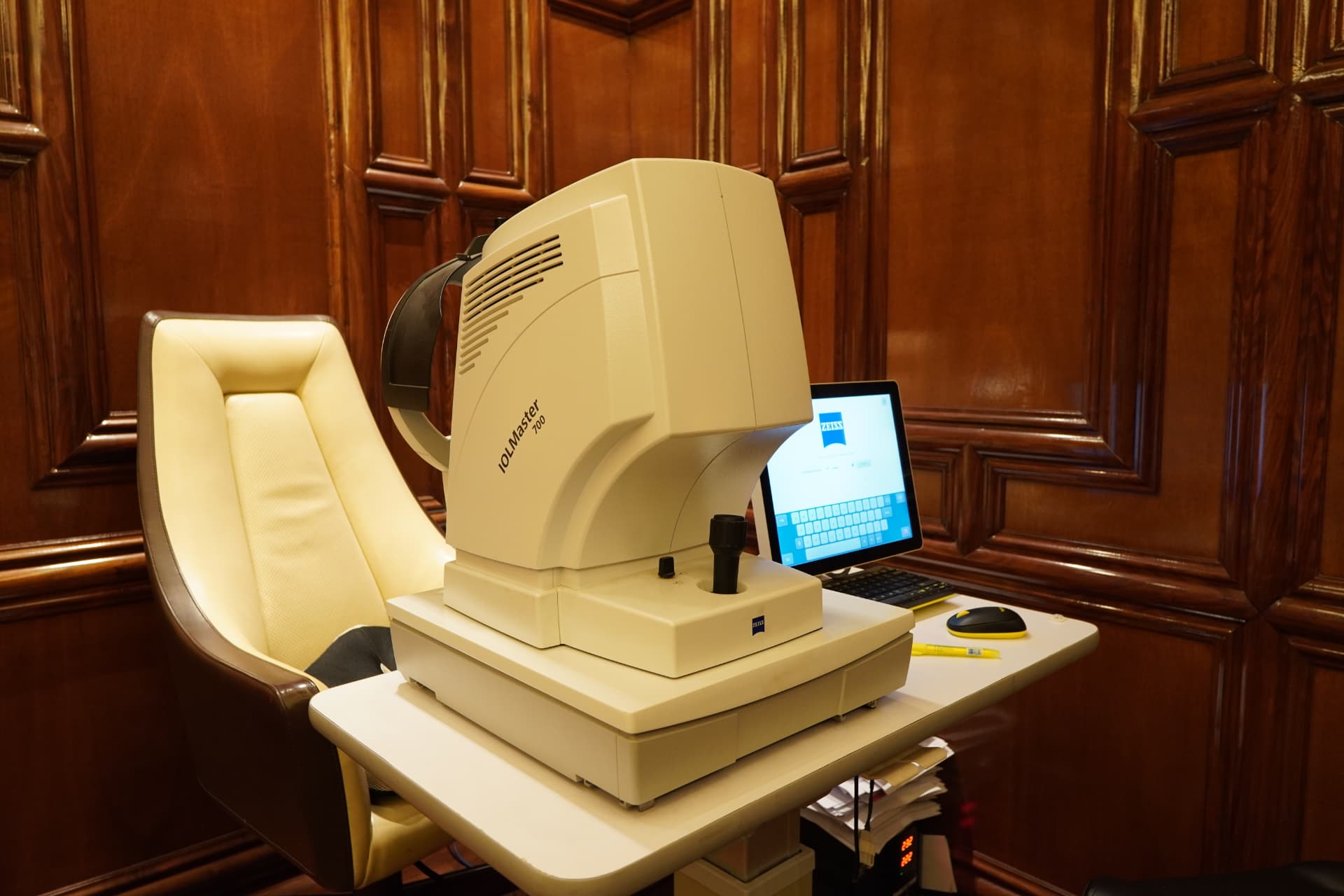
Pentacam mapping shows the shape of both surfaces of the cornea. Irregular or asymmetric patterns can indicate early keratoconus long before vision is affected.
Pupil size
Pupil diameter in dim light influences the treatment zone and the likelihood of night-time glare or halos, particularly for blended vision and multifocal lenses.
Refraction stability
Your prescription is compared against previous records. A prescription still shifting year on year is treated too early, so we wait for it to settle.
Questions
Comparing the Options
Get a Real Answer in One Appointment
Mapping, refraction and a consultant opinion in a single visit at Gulberg — then you know which of the six applies to you.